The following guide explains how speech therapy helps stroke survivors recover communication and swallowing skills, what conditions...
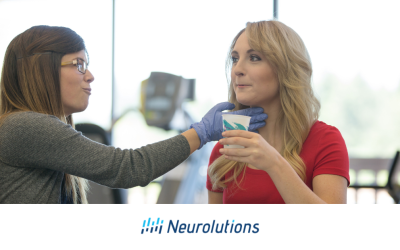
Speech Therapy for Stroke Patients: Communication and Swallowing Recovery
read more
The following guide explains how speech therapy helps stroke survivors recover communication and swallowing skills, what conditions...
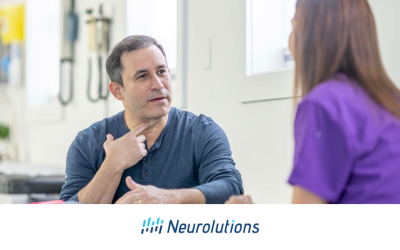
The following guide explains how Melodic Intonation Therapy works, who it helps most after stroke or Traumatic Brain Injury (TBI), and how...
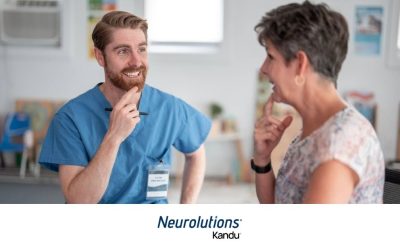
How Stroke Affects Cognition Stroke-related brain changes can disrupt memory, attention, and executive function, even when physical deficits...
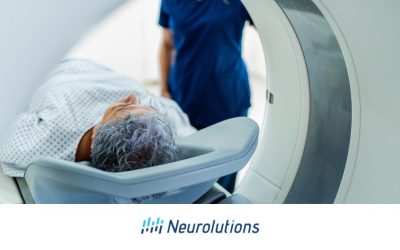
What is Thalamic Pain Syndrome? Thalamic Pain Syndrome occurs when damage to the thalamus disrupts normal sensory processing, causing...
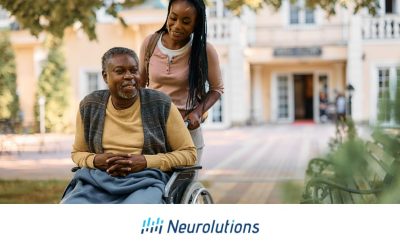
Overview of Stroke‑Related Speech Challenges Stroke survivors may face communication challenges that speech therapy can address with targeted...
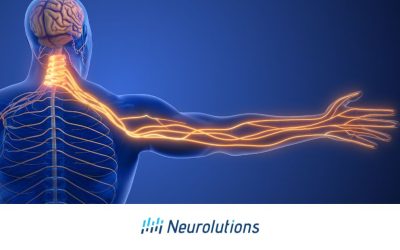
What is Muscle Twitching after Stroke? Muscle twitching happens when nerve messages get mixed up on their way to your muscles. Muscle Twitching...
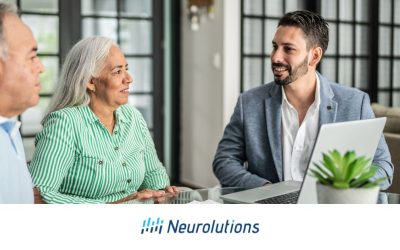
Medicare open enrollment is a key time to adjust coverage so stroke survivors get the care they need. Choosing the right insurance plan can...

What is Learned Nonuse? After a stroke, many people experience weakness or paralysis on one side of the body. This makes it hard to use an arm,...
Understanding Physical Therapy After Stroke Physical therapy (PT) is a specialized healthcare profession focused on restoring movement and...