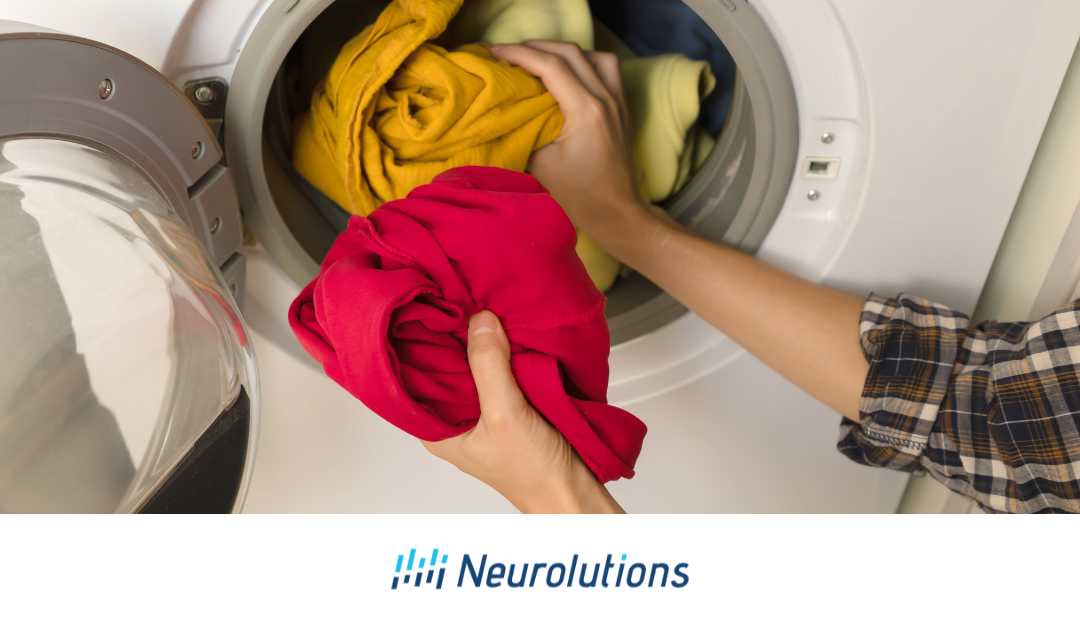
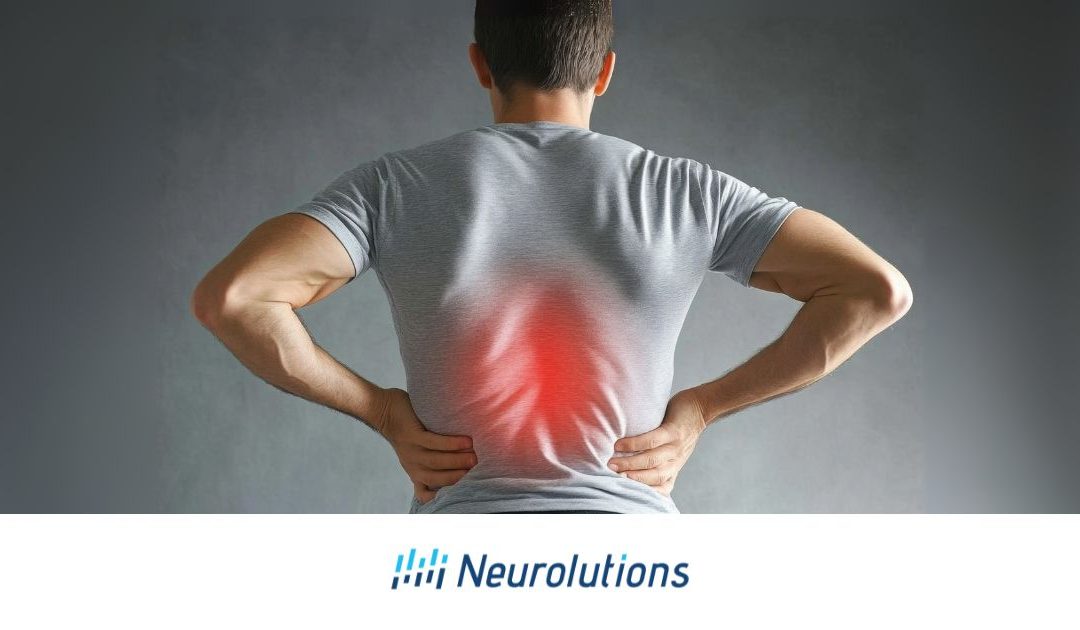
What is Learned Nonuse? After a stroke, many people experience weakness or paralysis on one side of the body. This makes it hard to use an arm, hand, or leg for everyday tasks like eating, bathing, or walking. Because of this, stroke survivors may begin relying only...
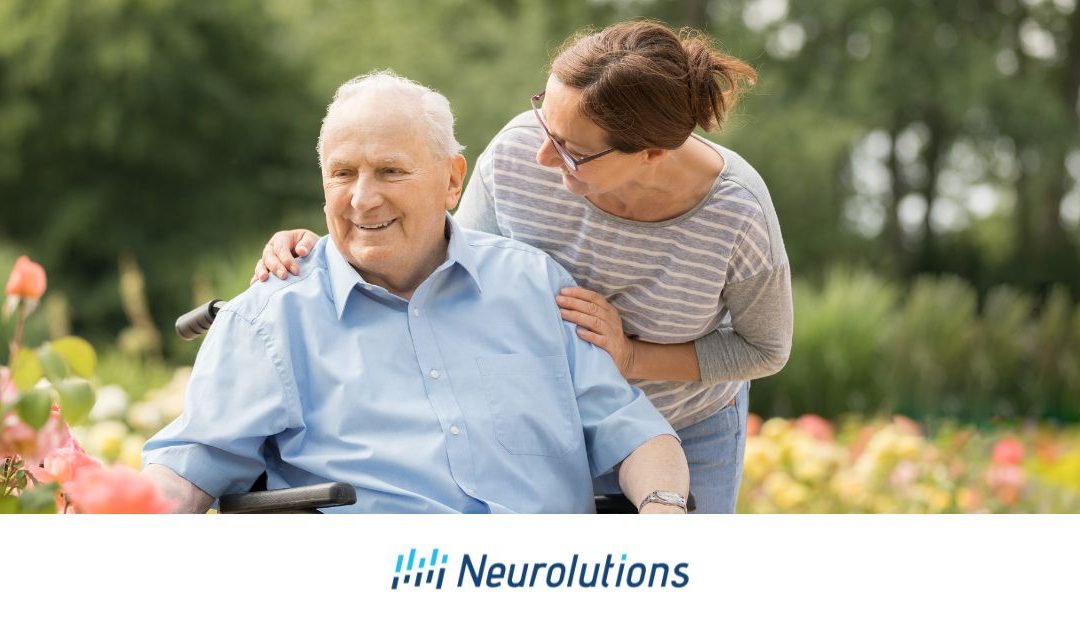
Understanding Physical Therapy After Stroke Physical therapy (PT) is a specialized healthcare profession focused on restoring movement and function after injury or illness. For stroke survivors, physical therapists (PTs) are essential members of the rehabilitation...
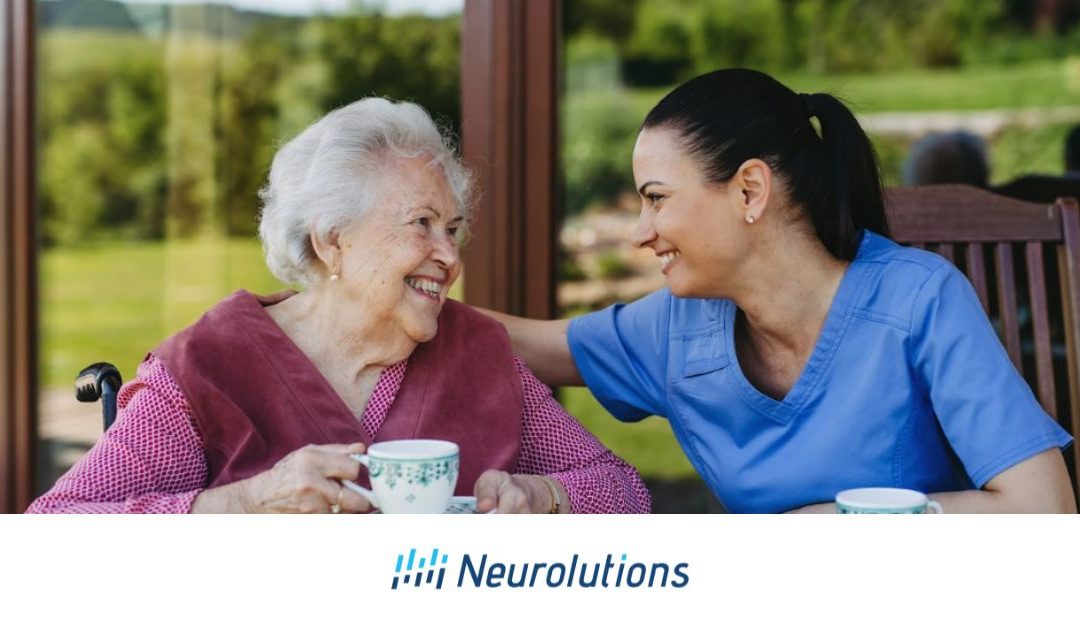
Introduction to Occupational Therapy for Stroke Survivors Occupational therapy helps stroke survivors reclaim their independence in daily life. Stroke can suddenly change how someone performs the simplest tasks. It can affect movement, vision, thinking, or...
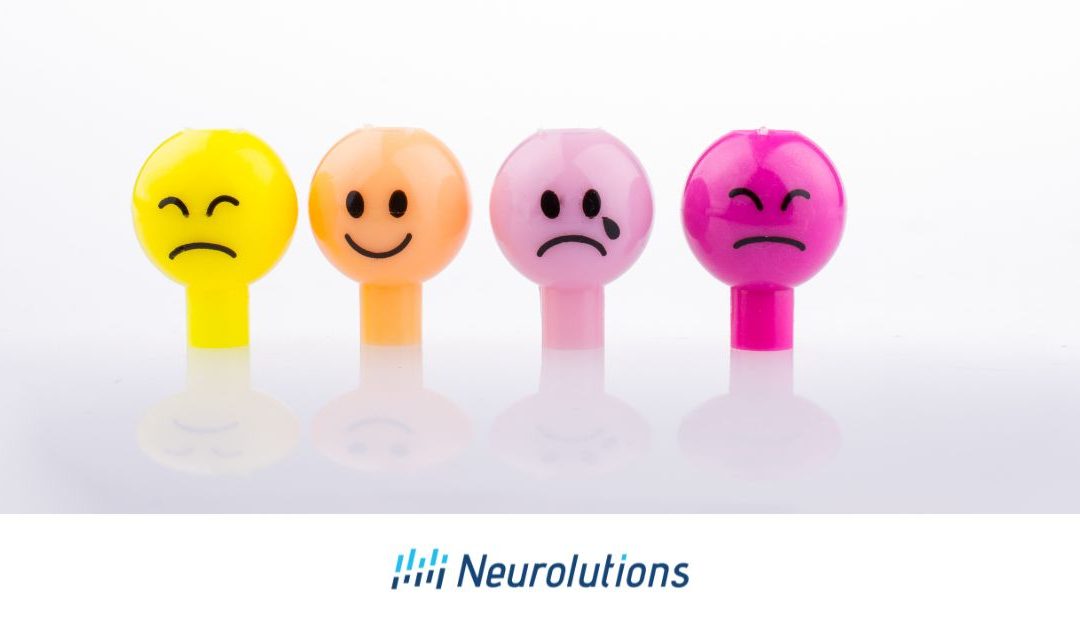
What is Pseudobulbar Affect? The Pseudobular Affect is a brain condition that causes sudden, uncontrollable laughing or crying unrelated to true feelings. Pseudobulbar Affect (PBA) is a brain condition that causes sudden, uncontrollable episodes of laughing or crying...
What is Neurogenic Shock? Neurogenic shock is a dangerous condition that impairs autonomic cardiovascular control after brain or spinal cord injuries. A body’s nervous system is split into two main parts: the Central Nervous System and the Peripheral Nervous System....
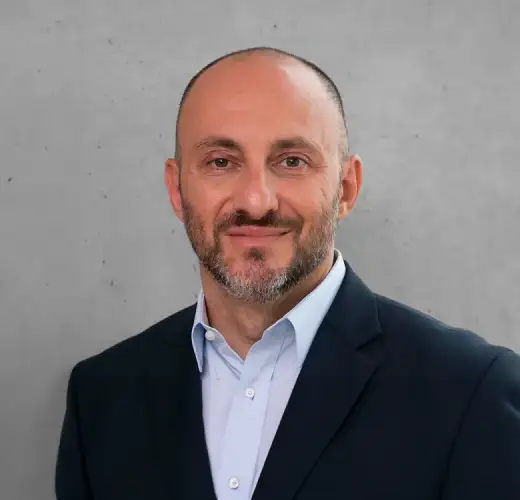
Leo Petrossian is the current Chief Executive Officer of Neurolutions, Inc. He is an experienced nanotechnologist searching for challenging opportunities in biotechnology and medical device entre- and intrapreneurship. Previously he co-founded Neural Analytics and is also the CEO of Nile AI, Inc.
Dr. Petrossian earned his MBA from the UCLA Anderson School of Management in 2014 and earned his Ph.D. & MS in Biomolecular Nanotechnology & Solid-State Device Physics as an NSF IGERT fellow at Arizona State University in 2007. He also holds a double B.S. in Electrical Engineering & Biomedical Engineering from California State University, Long Beach.